
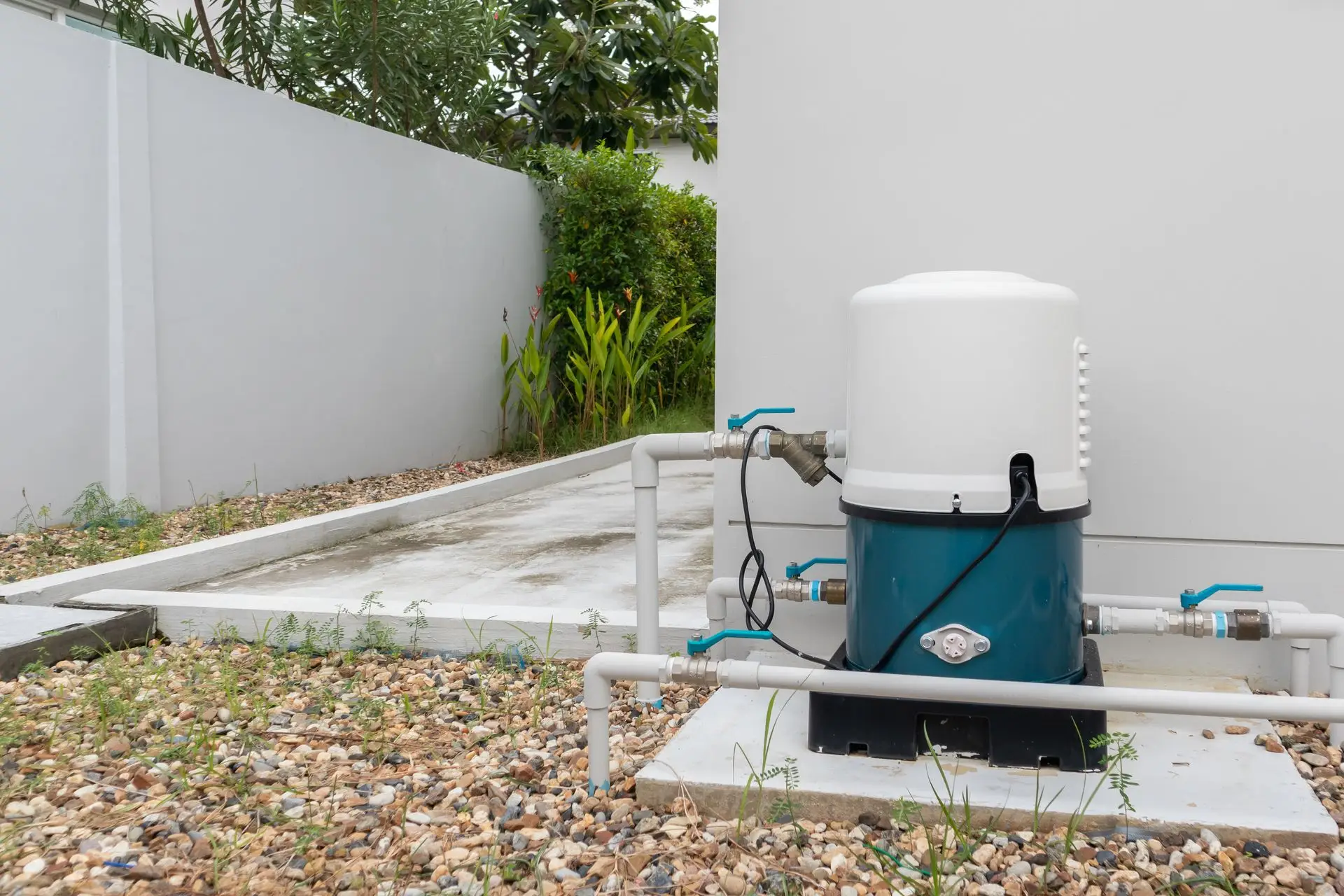
Water Filtration Systems
Borehole Water Filtration
Borehole water is site-specific. We test before specifying so iron, manganese, sediment and bacteria are handled in the right order.
How we approach borehole water filtration
Borehole water is not treated before it reaches you, so what is in it depends on the geology and on what is happening around the borehole. Iron and manganese stain basins and laundry, hardness scales geysers, and bacteria or nitrates can appear where septic tanks or farming are nearby.
We start with a laboratory test against the South African drinking water standard, SANS 241, then build the system in order: sediment first, iron and manganese removal if needed, carbon for taste and odour, and UV as the final stage if the water will be used for drinking.
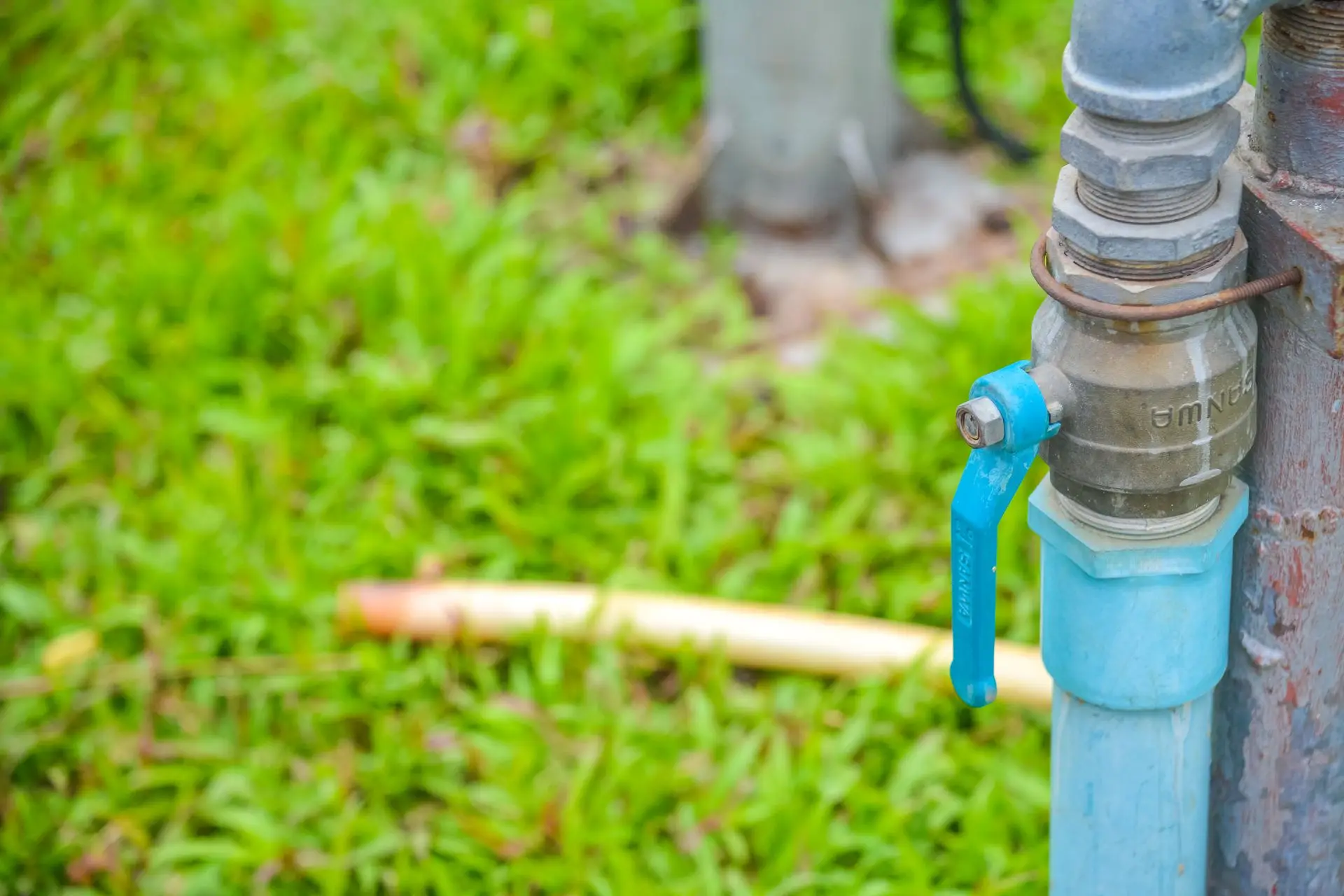
Borehole treatment is built around the source, not a product box.
Controls, tanks, pumps and cartridge access all affect how reliable the final system feels day to day.
We use water testing and site checks to decide which stages are genuinely needed before specifying sediment, iron, manganese, bacteria or polishing filters.
What the specification covers
Every borehole is different, so the system follows the test.
Laboratory test first
A test against SANS 241 shows which stages are needed before anything is bought.
Iron and staining
Orange or black staining points to iron or manganese, which need their own stage.
Bacteria control
UV is the final stage when borehole water is used for drinking.
FAQs
Questions before we quote
Is my borehole water safe to drink?
Only a test can tell you. Clear, odourless borehole water can still carry bacteria or nitrates, so test it before drinking it, and again once treatment is installed.
Why are my basins and laundry stained orange or black?
Orange or brown staining usually means iron, and black staining means manganese. Both need an oxidation or iron-removal stage before the finer filters, or they clog cartridges quickly.
Will a filter fix low borehole pressure?
No. Filtration always costs some pressure, so we check the pump, pressure tank and flow rate first and size the filters so the system does not make low pressure worse.
Related guides
Background reading before you choose a system.
Is Borehole Water Safe to Drink? How to Know for Sure
Is borehole water safe to drink? Sometimes, but only a SANS 241 lab test can tell you. What can be in it, how to test it and what to do while you wait.
Read Guide Borehole Water Treatment: A Step-by-Step Guide
Borehole water treatment step by step: test to SANS 241, then sediment, iron and manganese, softening, carbon, UV or chlorine, and RO where it is needed.
Read Guide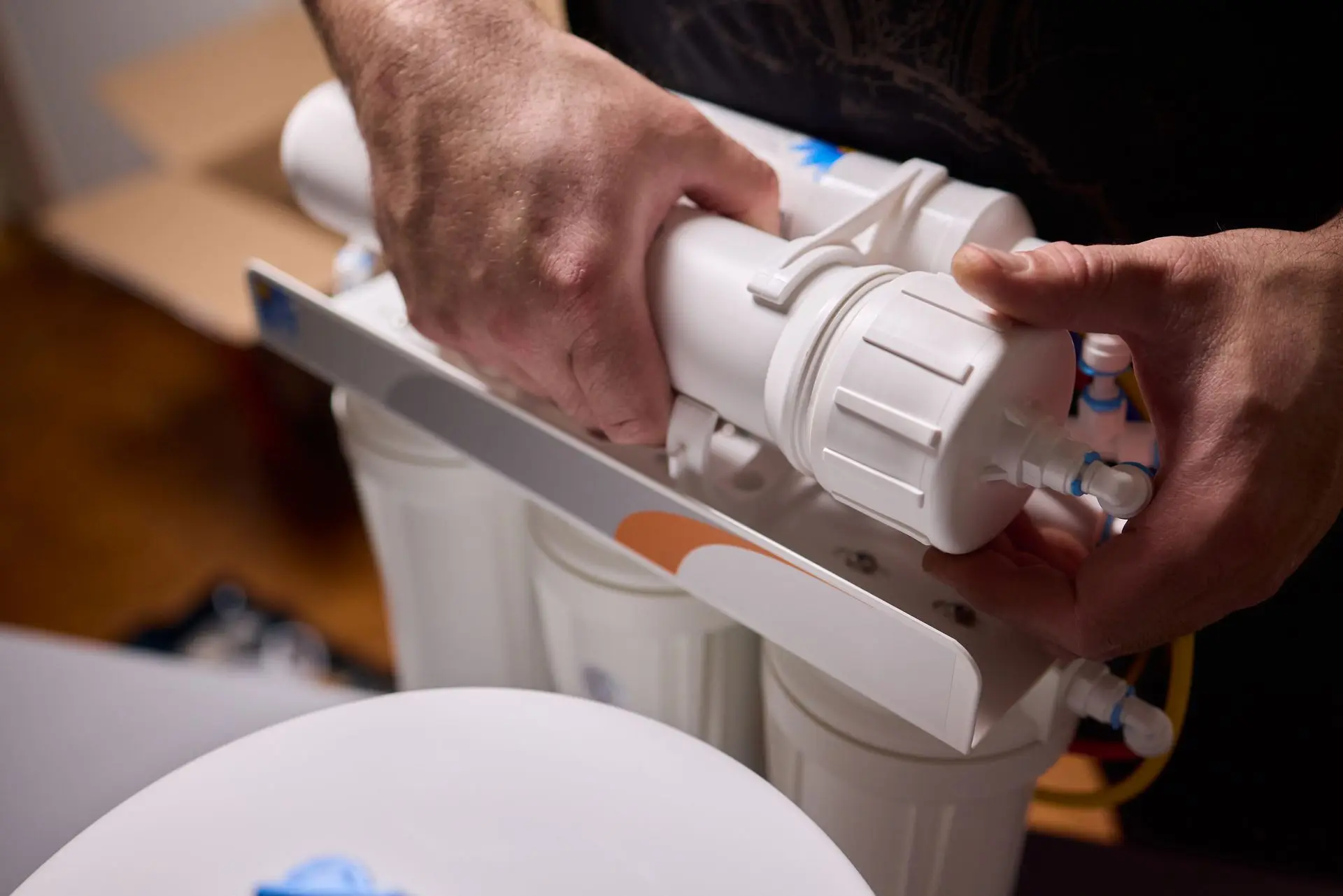
Water Filter Installation Cost in South Africa: 2026 Guide
What drives water filter installation cost in South Africa: water source, testing, flow and site access, plus 2026 equipment price ranges and running costs.
Read GuideOther water filtration systems
Home Water Filtration
Whole-house filtration improves water before it reaches showers, kitchens, laundry points and appliances.
Learn MoreReverse Osmosis Water Filters
Reverse osmosis is for drinking water where dissolved solids, taste or confidence are the central concern.
Learn MoreCommercial Water Filtration
Consistent water for restaurants, cafés, offices and guest accommodation, with scale protection for equipment and filter changes planned around trading hours.
Learn MoreIndustrial Water Filtration
Process water filtration designed around flow rate, pressure and downtime, from boiler and cooling pre-treatment to wash and process water.
Learn MoreCustom Water Filtration
Systems built stage by stage for farms, lodges and properties that mix municipal water, a borehole and rainwater, designed around the test results and plumbing.
Learn More
Ready to treat your borehole water?
Send any test results you already have, or ask us about a water test. We will specify the stages in the right order.